EN
EN
 CN
CN 
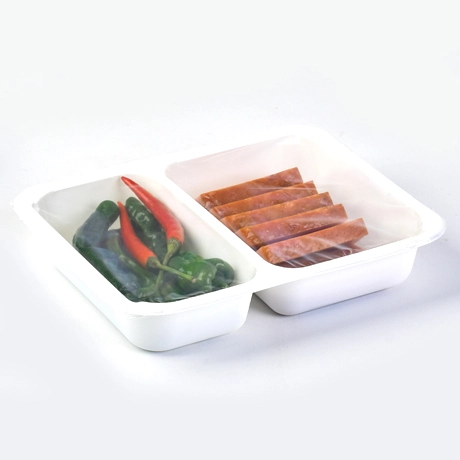
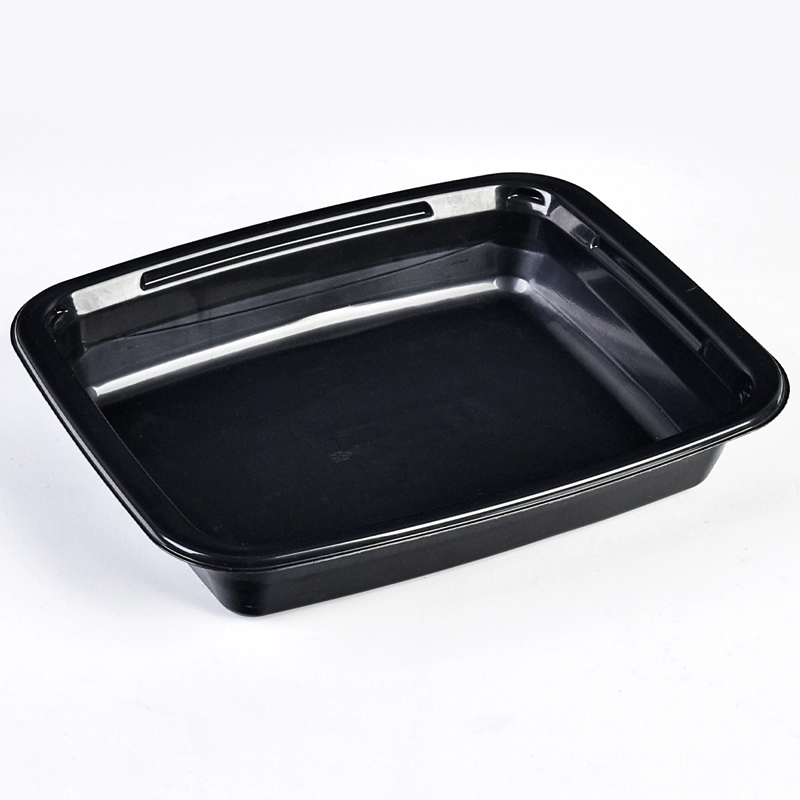
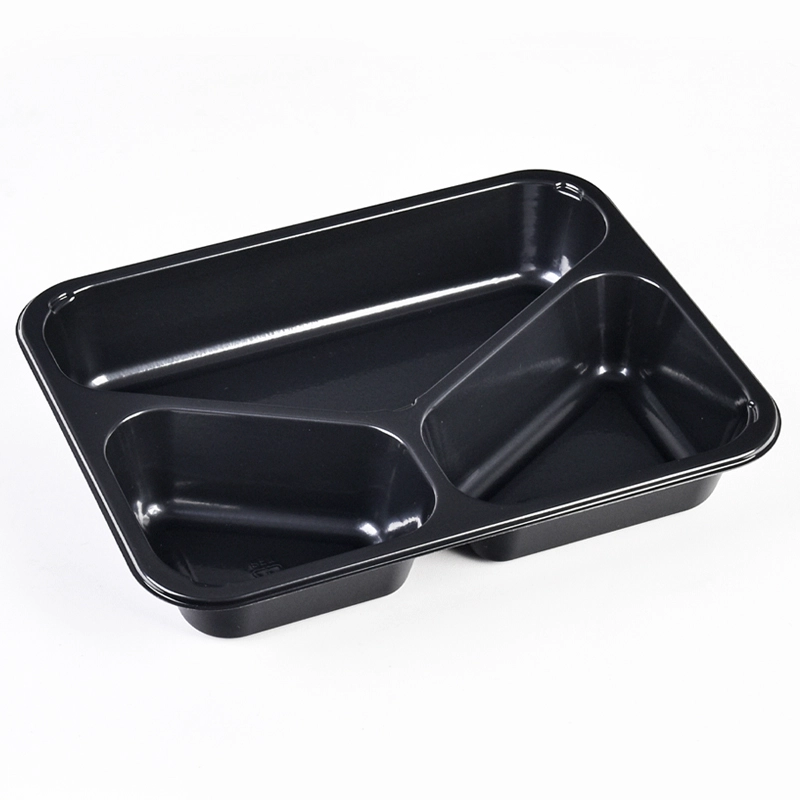
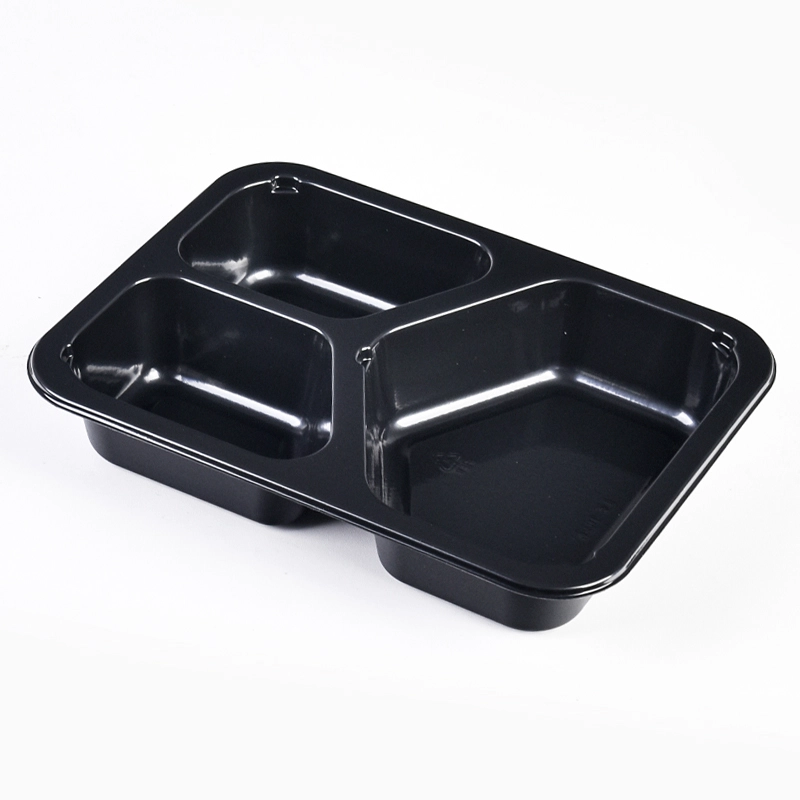
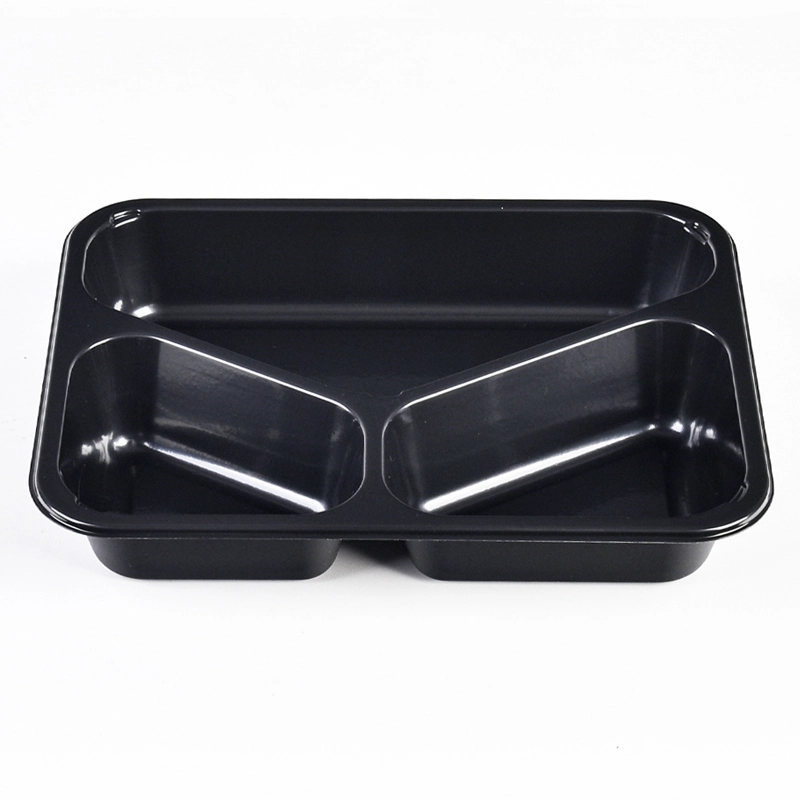
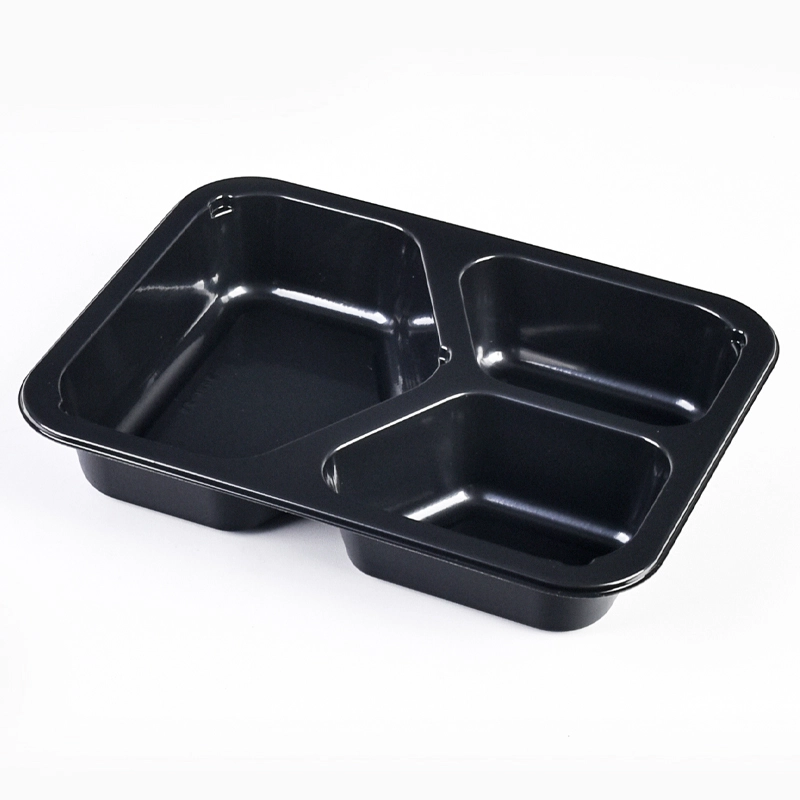
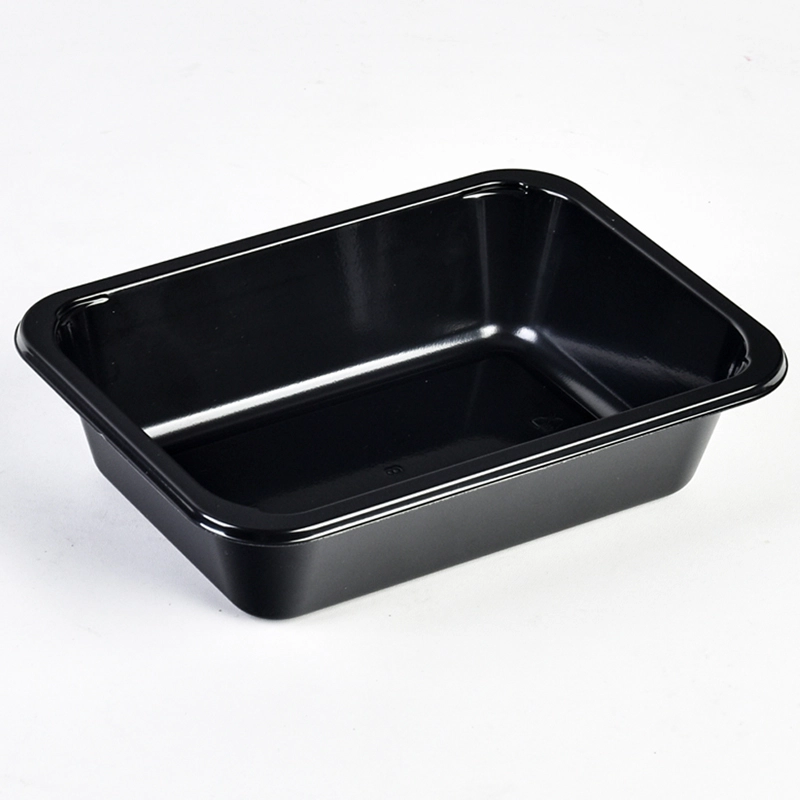
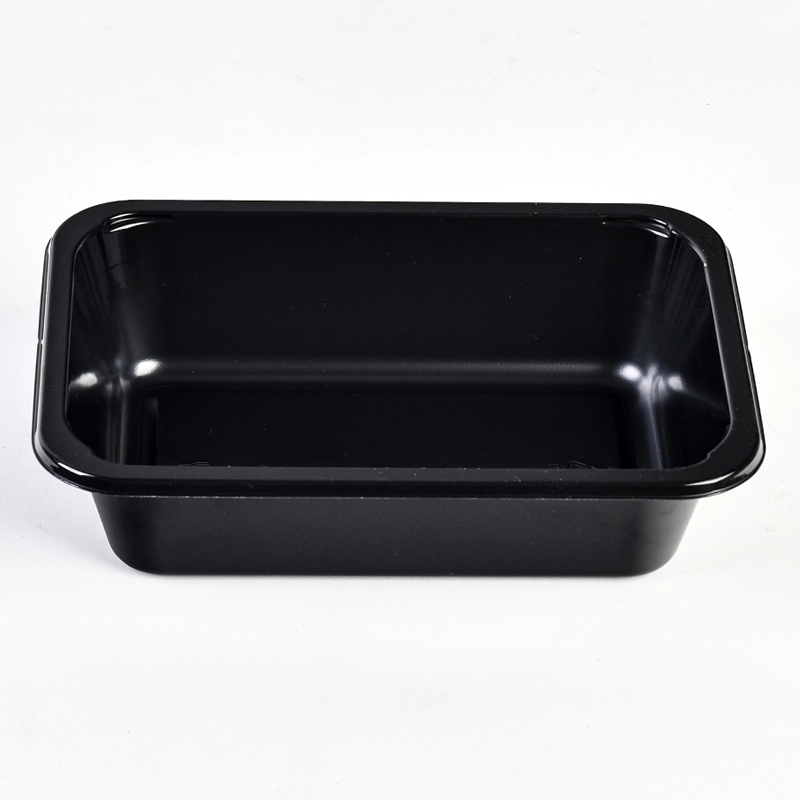
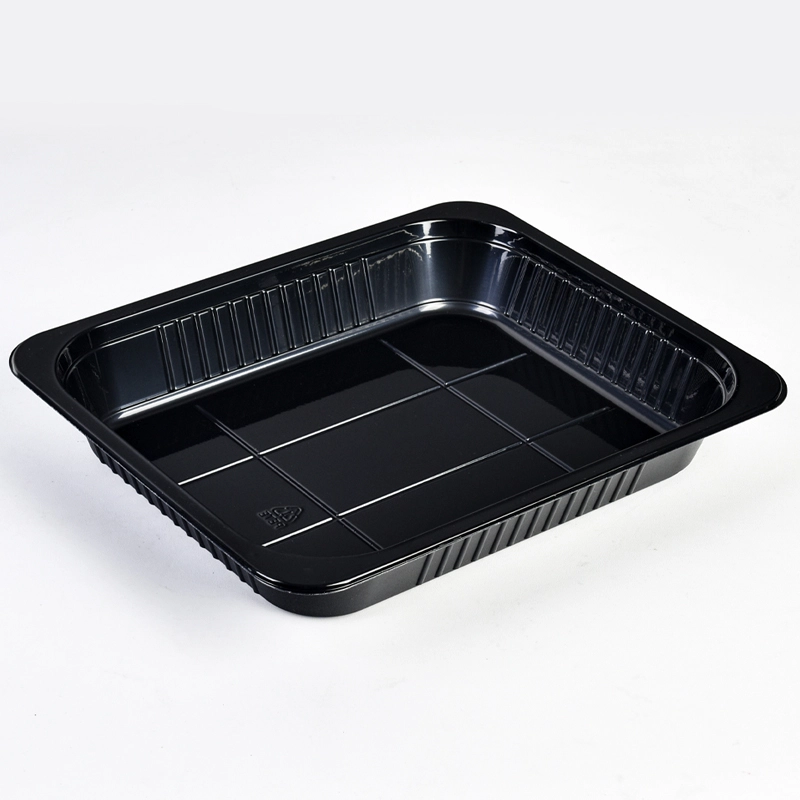
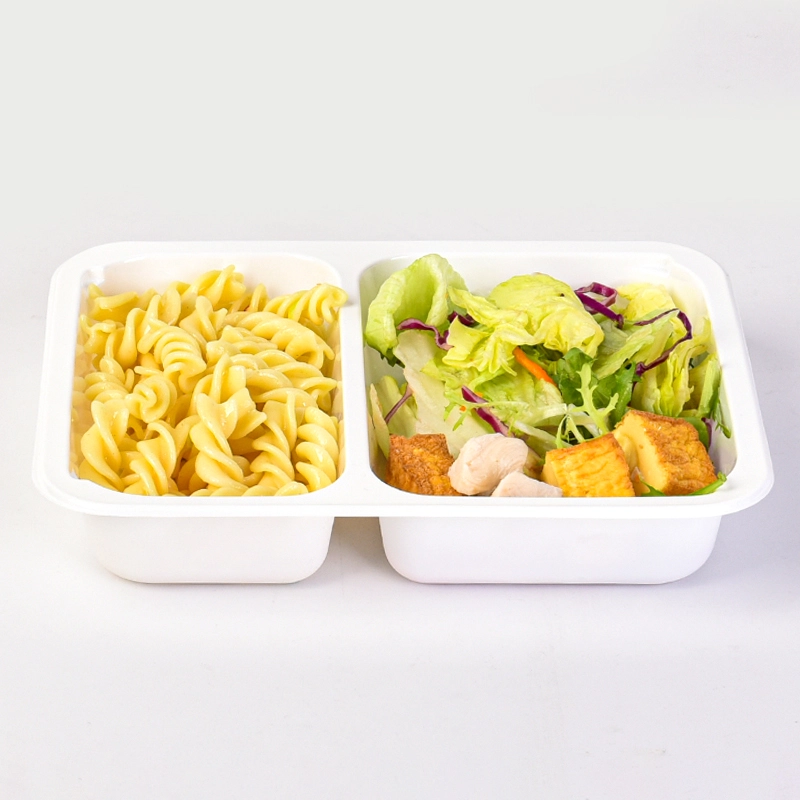
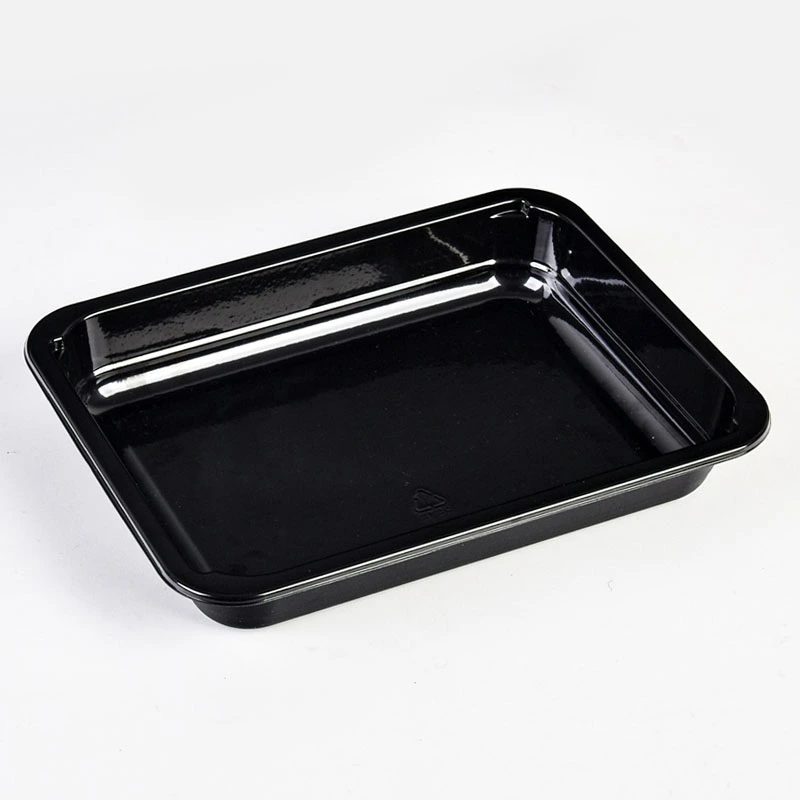
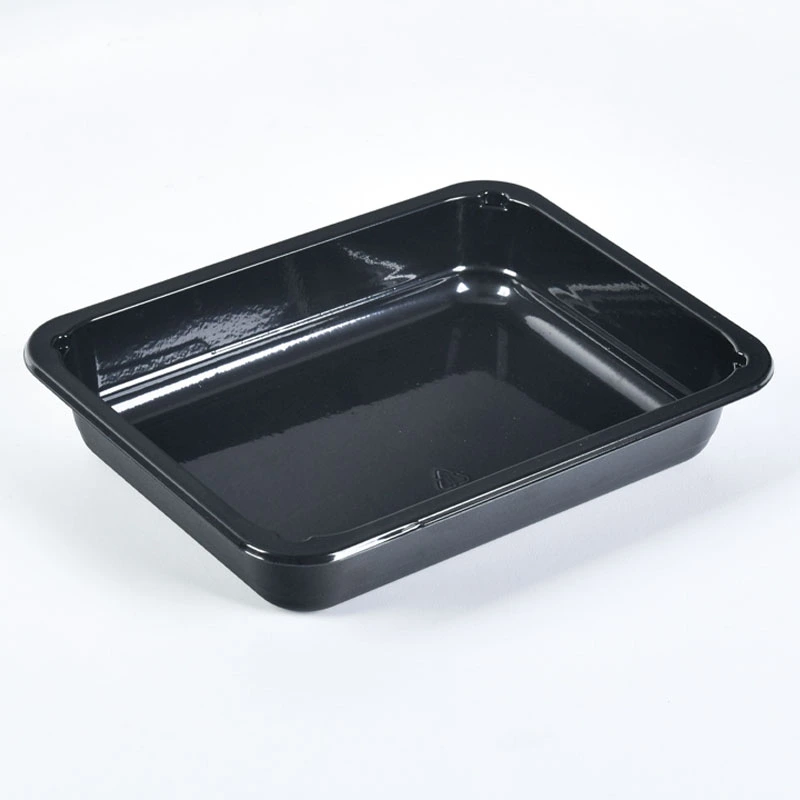
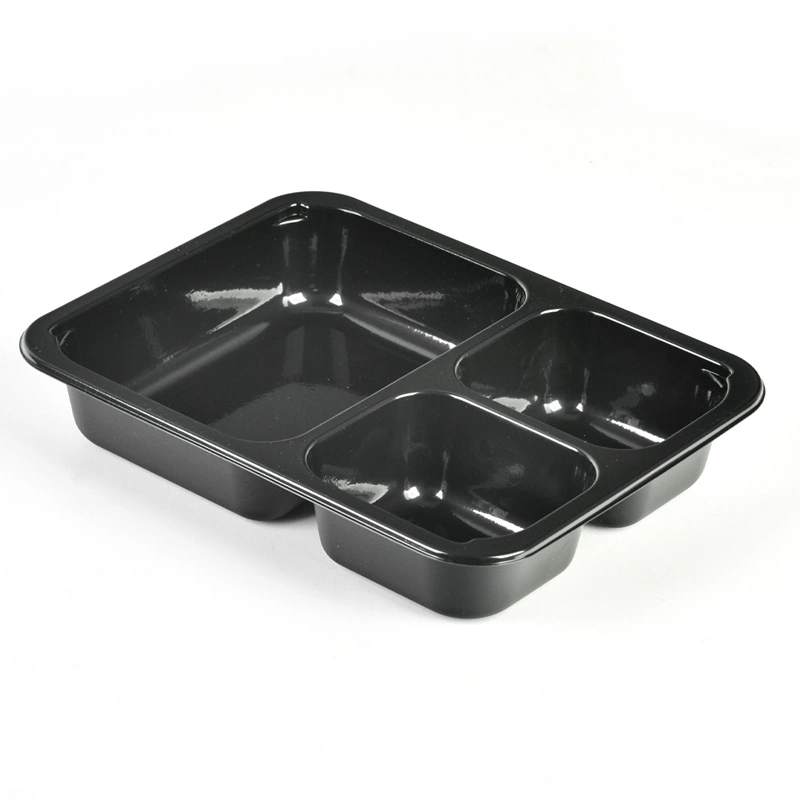
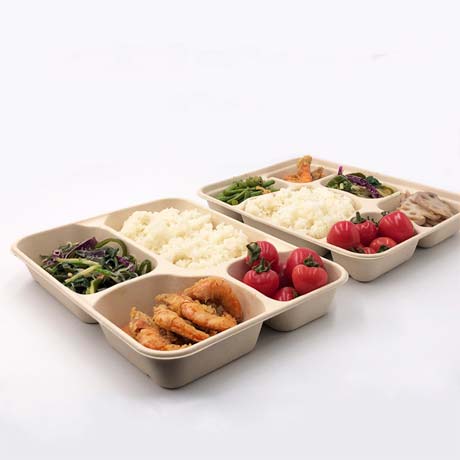
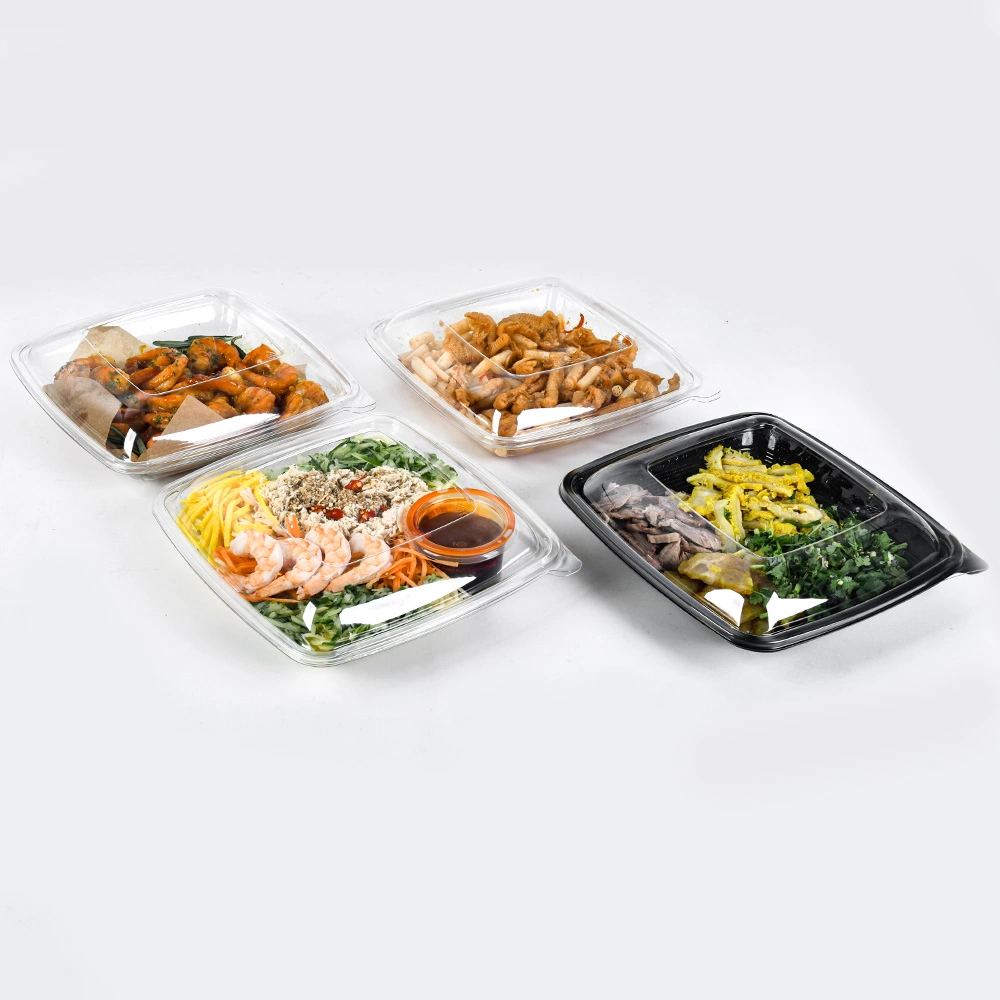

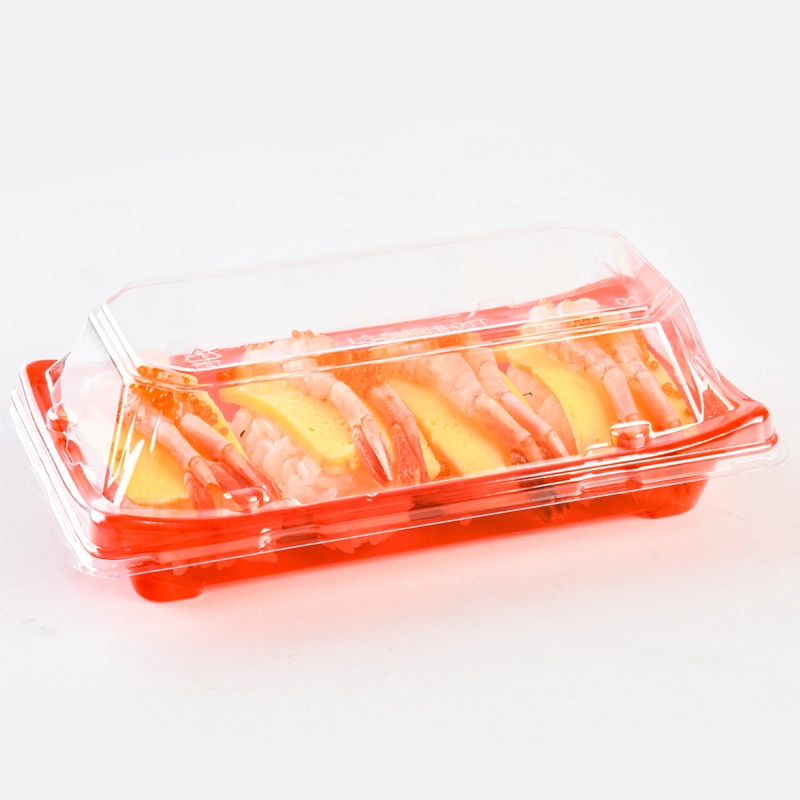
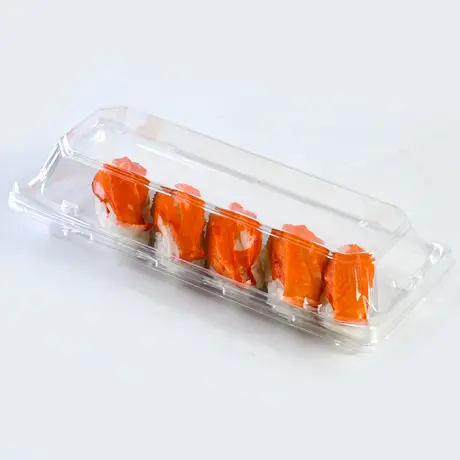
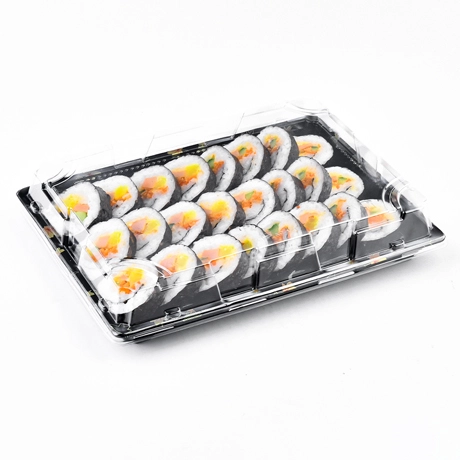
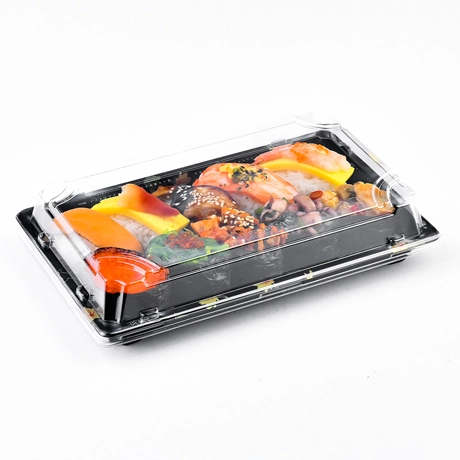
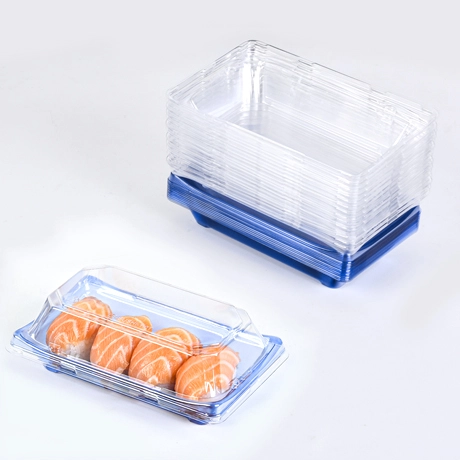





Disposable Food Trays with Compartments for Restaurants Takeaway
In the food industry today, packaging serves more than just as a barrier for the food; it protects the food and offers a positive customer experience. There is a notable increase in demand for functional and sustainable packaging among restaurants, catering services, schools, hospitals, etc. One of the emerging solutions is disposable food trays with compartments.
These trays enable the stacking of separate food items within a single container. Their design is efficient, and the choice of materials is eco-friendly. As a result, they are well-suited for deliveries, takeaway meals, and bulk catering.
A well-known brand in biodegradable food packaging, which is trusted by many, is LESUI. They manufacture high-quality compartment trays made from renewable resources like the sugarcane bagasse.
This article will discuss the benefits, uses, materials, and industry applications of these trays, and we will also offer guidance on how to select the right one for you.

What Are Disposable Food Trays With Compartments?
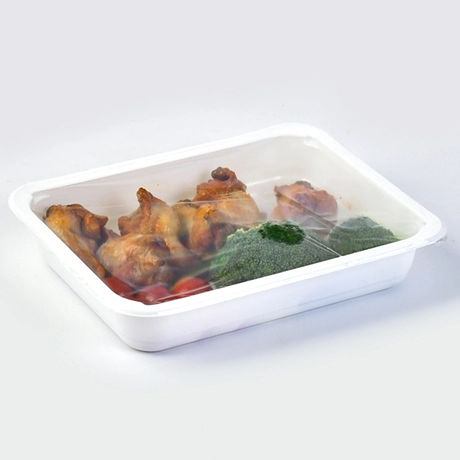
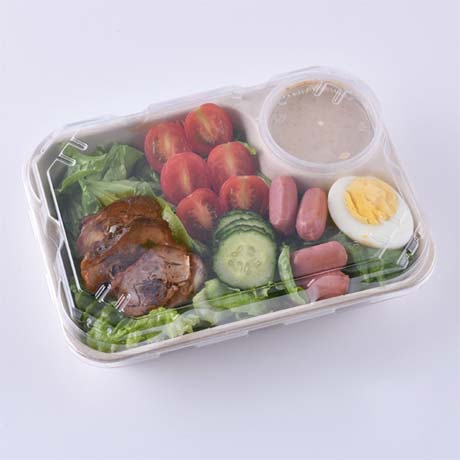
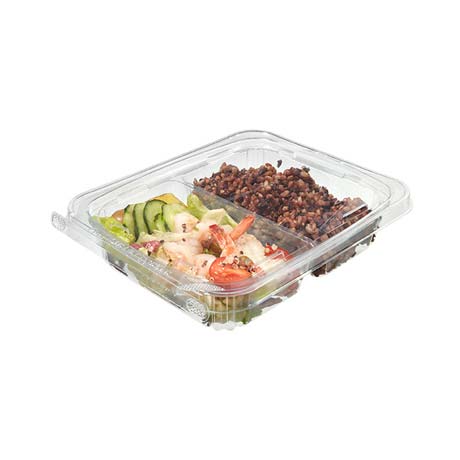
Disposable food trays with compartments a packages are used for storing and transporting different food items separately for freshness, and to avoid mixing during transport or storage. Each component in a meal is stored in a separate container like sides, main and dessert.
Modern trays are often made from materials such as sugarcane bagasse, which are both biodegradable and compostable, making them an environmentally friendly option compared to foam or plastic containers. These trays are often used in restaurants, hospitals, meal delivery services, schools, and catering services.
Common Features of Compartment Trays:
They come in 2, 3, 4, or 5 compartment designs which are suitable for various combinations of meals.
They are made of biodegradable materials like bagasse or molded fiber.
They can be put in a microwave and freezer which makes them applicable for both hot and cold food.
They are strong enough to contain both liquid and oily foods without leaking.
They are light so they are easily stackable. They are also disposable for easy and quick cleaning.
They follow the rules and regulations set for food items.
Pros:
Prevents food items from mixing while keeping them fresh.
Minimizes the time dedicated to washing the dishes and cleaning.
Encourages controlling portions and eating a balanced diet.
Increases safety and hygiene level for food.
Appropriate for food served in both hot and cold temperatures.
Made from renewable and compostable materials.
Easier to carry around because of lightweight and stackable.
Cons:
Single-use; adds to waste if not composted.
Eco-friendly choices may be more expensive than using plastic.
Needs industrial composting sites for adequate waste disposal.
Contain less insulation compared to heavy-duty containers.
Benefits of Using Compartment Trays
1. Help Maintain Freshness and Separation of Food
Maintaining the quality of each dish is one of the biggest edges these trays offer. This means that whether you serve rice and curry or a burger with fries and dessert, the compartment will not let the flavors and textures merge. This helps to enhance the quality of the meal as well as maintain freshness.
2. Promotes Hygiene and Safety
As meals are stored separately, the chances of cross-contamination are greatly reduced. This is useful for schools, hospitals, or elderly care centers that have a high hygiene standard and require a great level of cleanliness.
3. Helps Control Portions
Every section of the tray can be assigned a specific portion, ensuring accuracy in meal refilling. This feature is beneficial to health-oriented meal providers, meal planners, and government-sponsored nutrition initiatives.
4. Enhances Customer Experience
Meals that are separately arranged in compartments look appealing and are easier to eat. Whether for dine-in, takeout, or delivery, customers enjoy the good presentation and addition of value to the food service since it's more convenient.

How They Improve Customer Experience in Food Delivery
Customers become more critical when considering food delivery services. They expect their meals to be fresh, hygienically sealed, and easy to consume. Disposable food trays with compartments help in achieving this through:
Preventing food and liquid spillage during movement.
Allowing customers to enjoy multiple dishes conveniently packed in one box.
Enhancing presentation by looking more premium and organized.
Removes multiple container requirements, thus making cleaning easier.
Compartment disposable trays not only help in reducing packaging waste but also enhance the customer experience and satisfaction for the food businesses.
Best Materials for Eco-Friendly Compartment Trays
With the heightened concern for the environment, there has been a global shift towards the use of sustainable compartment trays without plastic and foam. Some of the most commonly used eco-friendly materials for disposable compartment trays are:
Sugarcane Bagasse
Bagasse is a waste product from the sugarcane. Like many traditional materials, bagasse trays are biodegradable, compostable and can withstand hot and greasy foods without falling apart in addition to being strong. LESUI deals in bagasse trays because they are greener without losing quality.
Cornstarch Based PLA
Cornstarch has become a popular resource for biodegradable products. Heavier weight items are more difficult to compost PLA is industrially compostable and does not stand high temperatures like the bagged. It is better suited to lower-temperature containers.
Recycled Paperboard
Trays made from recycled paperboard paper are environmentally friendly and can be made water resistant. Still, this may serve dry foods best and only for short periods.
LESUI caters to clients with eco-friendly options because their trays are made using materials that comply with international safety and environmental regulations.
Industries That Benefit from Compartment Trays
Catering Services: These kinds of trays are perfect for serving large quantities of meals at once and are a must-have for corporate functions, weddings, banquets, and other similar events.
Fastfood and Takeaway Restaurants: Restaurants use these divider trays for combo meals that have fries, burgers, dips, and even desserts to ensure even the most basic meals remain visually appetizing.
School and University Lunch Programs: With compartment trays, portion control and the balance of nutrients are easy to maintain, especially with the bottleneck of students in cafeterias.
Hospitals and Elder Care Facilities: These trays allow the different diet plans to be easily organized and served while still ensuring hygiene protocols are met.
Meal Prep and Subscription services: To avoid spills during transportation and keep food fresh, compartment trays are used to serve ready-to-eat meals professionally.
How to Choose the Right Tray Size for Different Meals?
A tray's dimensions should be selected according to the kind of food and its portion size. The following can help:
If still confused, consider the more adaptable and flexible trays. LESUI provides an array of different-sized trays and can customize their tray designs for food service providers, catering businesses, as well as other specialized kitchen facilities.

LESUI's Promise to Quality and Safety
Products offered by LESUI in the disposable food packaging Products line are distinct from the competition because of their special attention to functional features alongside environmental care. The principal properties of disposable food serving trays with compartments by LESUI are:
Biodegradable Materials: In the manufacture of their trays, LESUI uses certain eco-friendly materials like bagasse, which is a waste product from sugar cane. This bagasse serves as an environmentally friendly option for the manufacturing process as the products become compostable and biodegradable.
Durability: Even though the trays are disposable, LESUI ensures that they are robust enough to withstand a variety of food items without leaking or breaking.
Customization: To meet the diverse needs of consumers, LESUI provides modifications in terms of size, compartment configuration, and design specific to the needs of businesses and events.
Conclusion
The compartmentalized food trays are hygienically appealing and environmentally friendly, catering to a wide spectrum of customers. Those operating restaurants managing cafeterias or even catering healthy meals can do so in an eco-friendly, sanitary, and organized fashion.
LESUI ensures that each tray not only fulfills your operational needs but also lessens the effect on nature owing to its high quality and sustainability. Featuring sturdy sugar cane bagasse, LESUI’s trays are microwaveable, impermeable, and entirely compostable, aiding your brand to meet modern standards and expectations.